
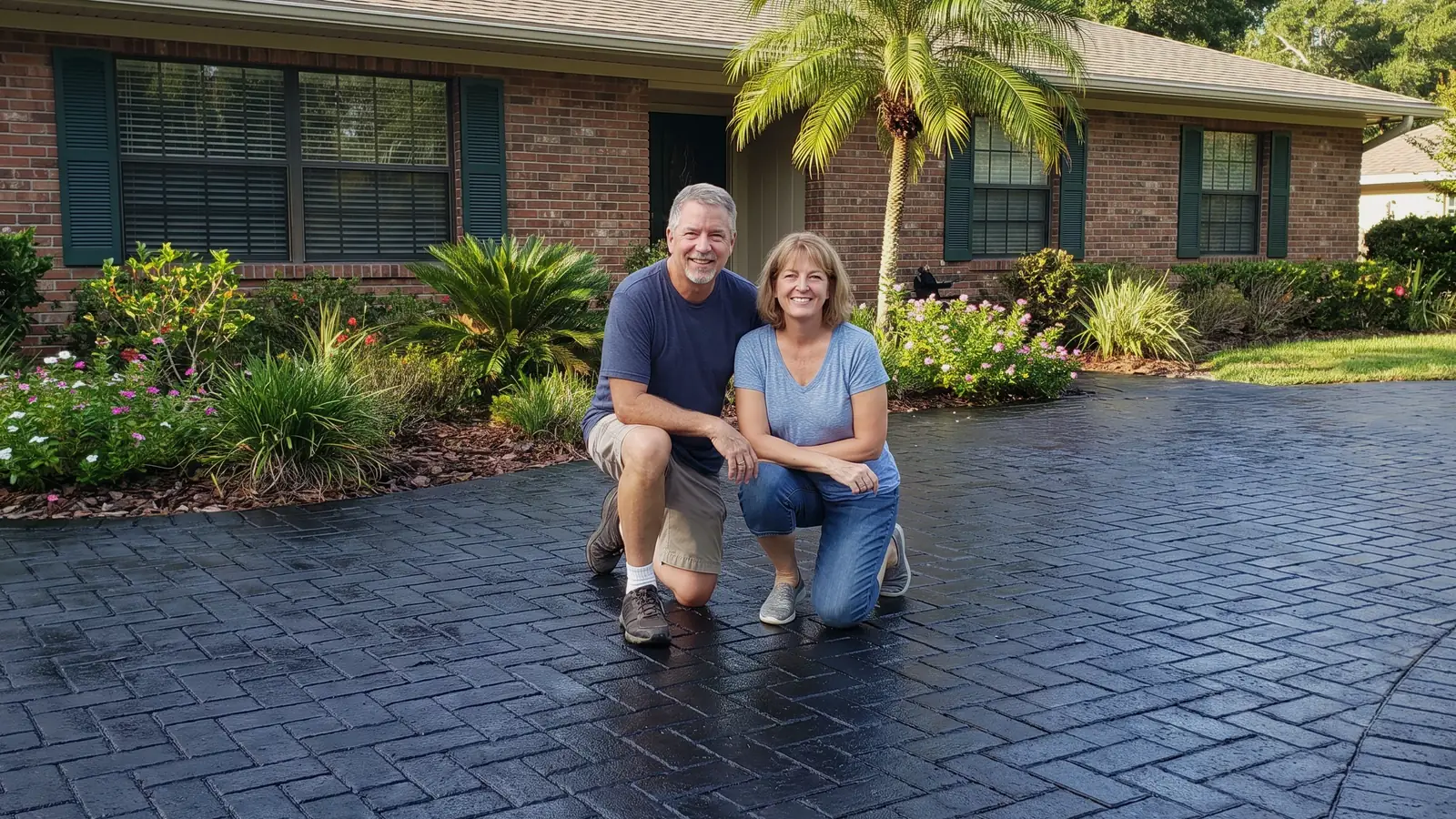
Paver sealing for Cheval homes
Paver Sealing in Cheval, FL
Behind the Cheval gates, fairway sun and pond humidity wear on pavers, so call (656) 254-5623 for a free sealing estimate.
- Brings out deeper paver color
- Fresh joint sand helps lock pavers in place
- Gives weeds less room to grow
- Makes the surface easier to keep clean
- Free estimate, no obligation
Request a Free Estimate
Free, no obligation.
Fast, careful paver sealing in Cheval
Paver sealing in Cheval starts with a free estimate, and a local contractor can clean, re-sand and seal your driveway, entry walk or pool deck. Request a visit and expect a reply within 1 business day, usually much sooner. Questions first? Call (656) 254-5623 and describe your drive, your pool deck or your lanai.
Picture the drive you pull onto every day, with dull color, green edges and weeds standing in the joints. Cleaned, refilled with sand and sealed, those same pavers read as one clean surface again. You can get a free estimate and the contractor will talk through what your lot needs, with no obligation.
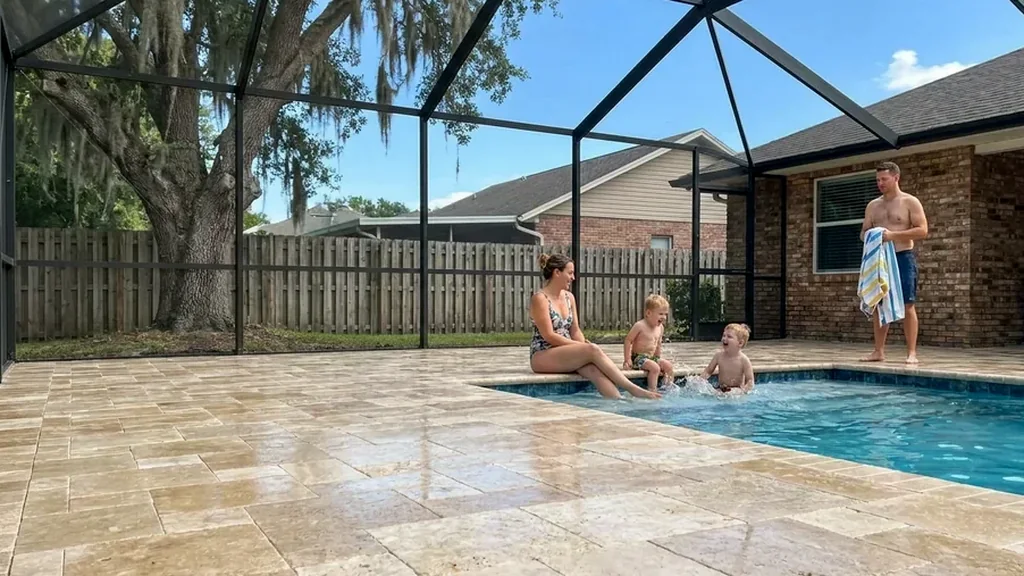
Why hire a local paver sealing contractor in Cheval?
Cheval homeowners pick a local paver contractor because two associations, staffed gates and golf course sun make each street a little different. To see how that fits your house, get a free estimate.
A free visit first
The contractor looks at your Cheval driveway or pool deck before quoting anything. The estimate is free and carries no obligation.
A range you can check
Tampa Bay companies commonly publish $1.25 to $2.50 per square foot to clean, sand and seal. Use that to weigh any bid you get.
Finish that fits your village
Matte keeps a quiet look beside stucco and tile roofs. A wet look adds shine but shows scuffs sooner.
Gates and rules handled
Tell the contractor which side you live on, East or West, so the visit and any association review go smoothly.
Get Your Free Estimate in Cheval
Tell us about your pavers in Cheval.
Free, no obligation
What paver problems show up most in Cheval?
Green film where ponds and fairways hold moisture
Many Cheval villages back to a pond, a fairway or a conservation area, and moisture hangs in those yards well into the morning. Guidance from Landscape Ontario says moss and algae grow on pavers mostly in heavy shade, and that damp shade keeps them coming back. A paver walk on the shady side of the house may go green first. Cleaning has to come before any sealer, because sealer over growth locks it in. Once the surface is clean and sealed, it soaks up less water, which gives algae less to hold onto between washes. Cheval covers 6.8 square miles and 12.3 percent of that is water, so a pond or a lake sits close to many yards. Moisture near the water is a daily fact, not a rare event.
Rust-orange streaks from sprinkler spray
Most Florida well water is high in iron, and UF/IFAS links orange streaks on buildings to irrigation with it. A Tampa Bay company adds that heads hitting the same strip every morning wear that strip years early. If your driveway edge shows a rust-colored fan, the sprinkler is the likely cause. Fertilizer residue can add to the staining. Ask the contractor to look at spray patterns while they are on site. A small change to the heads can protect the new coat for years. As shrubs and palms grow, spray patterns shift, so a head that missed the drive five years ago may hit it now. That is how a clean driveway gets a new rust stripe.
Sand that vanishes after summer storms
Hillsborough County soil is mostly loose sand that holds almost no water, and groundwater sits within two feet of the surface under about 64 percent of the county. Tampa Bay also gets nearly two-thirds of its rain from June through September. Together, that moves joint sand, and a heavy downpour can carry it out of the joints in one afternoon. Gaps open up, which means weeds get a start and the pavers loosen. Fresh sand after a wash is the fix, and the sealer then helps hold it in place. Brief, heavy downpours are normal in a Tampa Bay summer, and they carry sand off the paver edges first. The edge joints along the street are usually the emptiest.
Pavers from the 1990s with an unknown coat
Cheval was built from 1989 through the early 2000s, so many driveways and lanais are decades old and have seen several owners. Whoever owned the house before may have used a sealer with no record. A water-based coat will not bond over a solvent-based one, which is why the contractor first works out what the old coat is. A patchy, peeling or milky finish is the usual clue. When the old coat is worn to bare paver, the job is simpler, since nothing needs to be matched. Old invoices or a note from the previous owner can name the product, which saves a test. If nothing exists, the contractor works it out on site.
Two associations with their own review steps
Cheval East and Cheval West have separate associations, and exterior changes go through architectural review. A new sealer can change how a driveway looks, even when it is clear. Check your own association rules before you pick a finish, because a clear coat can still deepen the color of the pavers. A short note to the review board costs less than redoing a coat. Ask for the answer in writing so you can show it to the contractor. Cheval West also carries a separate Community Development District assessment on the tax bill. That charge is not a review, so check each one on its own.
Does paver sealing differ between Cheval East and Cheval West?
It can, because the two sides run separate associations and the West side has its own Community Development District assessment. Cheval East surrounds the Club at Cheval, while the West side wraps TPC Tampa Bay, so the two feel different from the street. Tell the contractor which side you are on when you get a free estimate, since it shapes the paperwork.
Villages differ in what they back onto. A fairway lot gets open sun, a pond lot gets humid air, and a conservation lot gets shade and leaf litter that stains pavers if it sits. Estate lots on Cheval Boulevard often have longer drives than the villas and townhomes. Call (656) 254-5623 and describe your lot so the quote matches it.
Most homes date from the 1990s and 2000s, which puts the original pavers at 20 years old or more. Gates are staffed, and entrances sit off North Dale Mabry Highway and Lutz-Lake Fern Road. Give the contractor your village name and gate before the visit, along with any gate code rules your association sets, then get a free estimate to set a day.
What does paver sealing cost in Cheval?
Tampa Bay paver companies commonly publish $1.25 to $2.50 per square foot to clean, sand and seal. A big Cheval driveway with a pool deck can land near the lower end, since large jobs spread fixed costs. Small patios often fall under a minimum charge instead, which a company put at $500 to $1,000. To see where yours lands, get a free estimate.
On a Cheval lot, three things move the number most. Heavy green growth takes more washing, a long drop in joint sand means more refill, and an old coat of unknown type adds a step. Pool cages and tight entry courts slow the work too, since gear gets carried by hand, and a long, curved driveway with many edges adds time. Call (656) 254-5623 and the contractor can say which apply before work is booked.
| Paved area | Typical example | Clean, sand and seal |
|---|---|---|
| 300 sq ft | Small patio or walkway | $375 to $750 |
| 600 sq ft | Two car driveway | $750 to $1,500 |
| 1,000 sq ft | Large driveway or pool deck | $1,250 to $2,500 |
| 1,500 sq ft | Driveway plus pool deck | $1,875 to $3,750 |
Math based on the $1.25 to $2.50 per square foot that Tampa Bay paver companies publish. Your contractor sets the actual price after seeing the surface. Repairs, leveling and stripping failed sealer are usually extra.
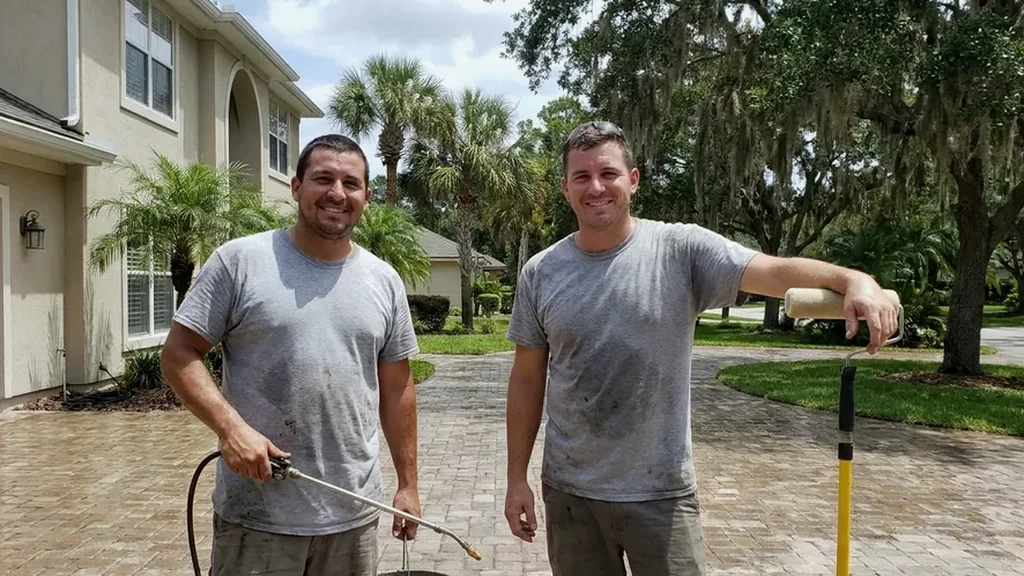
How does a paver sealing job work in Cheval?
Check in at the gate and walk the lot
The contractor enters through the staffed gate, then walks the drive, entry and pool deck with you. Say which side you live on and whether your village has color rules. A small test spot shows whether the old coat is water-based or solvent-based. The visit ends with a written price and no pressure to say yes.
Lift off the pond and fairway film
Washing is the longest stage on a lot that backs to water. Algae, sprinkler rust and ground-in grime come off together, with stucco walls, screens and beds shielded. A spot that stays green after one pass gets a second. Pavers that are truly clean are what let sealer grip.
Fill the seams again
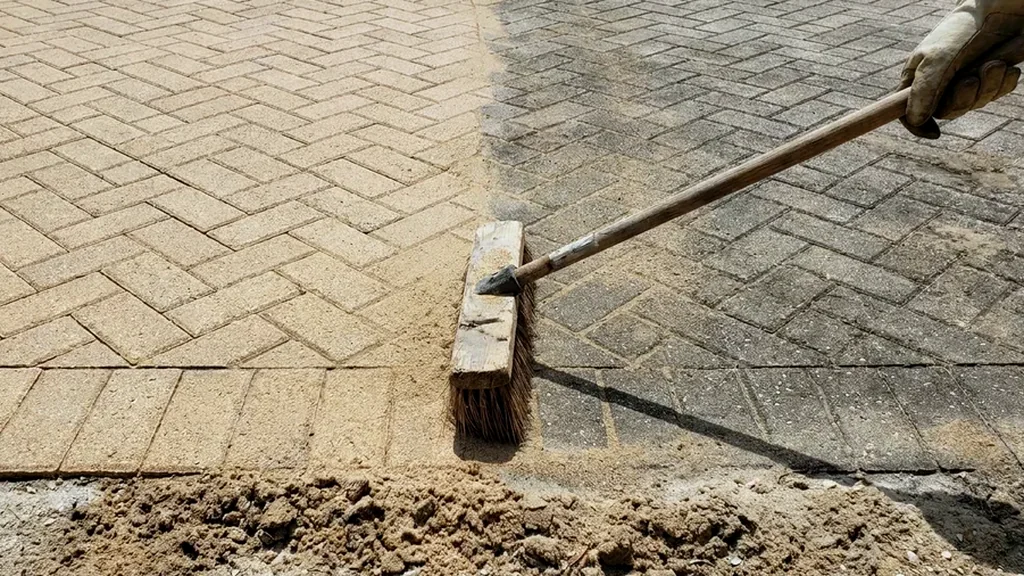
Once the rinse water is gone, the joints are mostly empty. Fresh sand goes in and is swept until every gap is full. On loose Hillsborough sand, that fill keeps edges from slumping and weeds from rooting. A 1990s drive that has never been touched may swallow more bags than you expect.
Give the pavers a dry morning
Everything must be dry before any coat goes on, joints included. Cheval's afternoon storms mean a sealing day often starts early and ends early. Shaded pond-side pavers can need a second dry morning. If the forecast turns, a careful crew reschedules instead of sealing damp ground.
Coat the pavers and clear the drive
Sealer goes on in the finish you picked, sprayed and then back-rolled to smooth out puddles. One Tampa Bay company says you can walk on it after about a day and drive on it after two to three. Turn the sprinkler timers off until then. Ask for exact times, since shade and humidity can add hours.
Complete paver services in Cheval
Think of a Cheval job as a relay with four hand-offs. Washing clears the green and the rust, joint sand goes back in, the pavers dry out, and the sealer closes it all up. Nothing dirty gets locked under the coat, so the color you see after is the real color. Call (656) 254-5623 to ask how long each leg runs on your lot.
Your surfaces will not all behave the same way. The drive bakes in sun, the pool deck takes splash and chemicals, and the lanai floor sits in shade and stays damp. Villa and townhome entries are smaller and often tucked under a roofline. Name every surface when you get a free estimate and ask for one combined price.
On finish, you are choosing between a quiet matte coat and a glossier wet look. Matte tends to suit stucco and tile roofs, while wet look deepens color but shows scuffs sooner. An old solvent-based coat keeps you in the same family, since water-based sealer cannot go over it. Call (656) 254-5623 and talk it through with the contractor.
Cheval's rain arrives on summer afternoons, so a good crew starts early and watches the sky. Morning hours give the pavers time to dry before a storm builds. The cooler, drier months from November through April are easier to book. To find a day that works, get a free estimate and mention any events you are planning.
Questions to ask before you hire
- Can you strip an old coat that has turned cloudy or started to peel?
- Will you check the joints for sand that has washed out and refill them before sealing?
- How do you wash the pavers without blasting the joint sand out?
- Will you write the sealer name and the number of coats on the quote?
- Will the sealer slow the green growth that comes back in the shade by my lawn?
- Will you send a certificate of insurance before the day of the job?
- Should I turn the sprinklers off for a few days around the job?
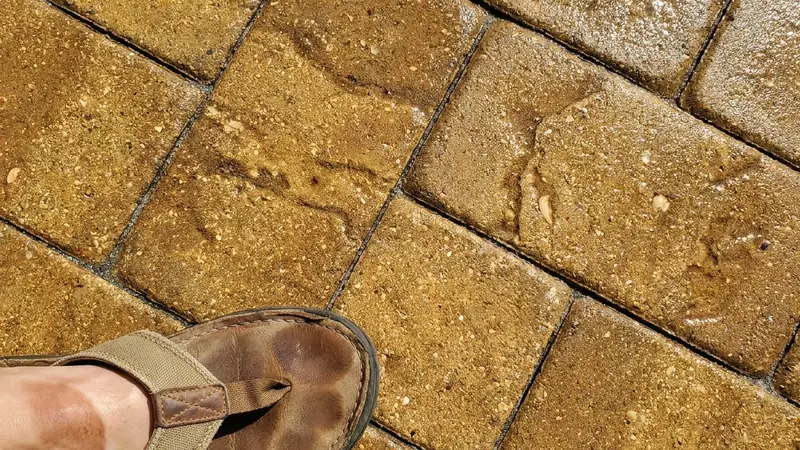
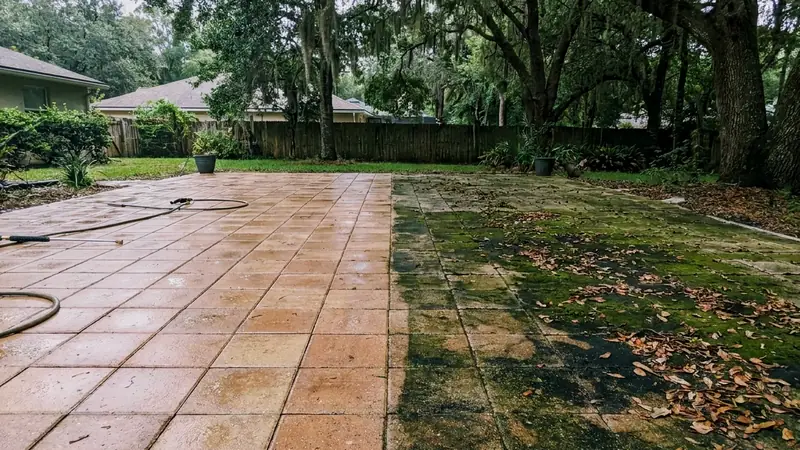
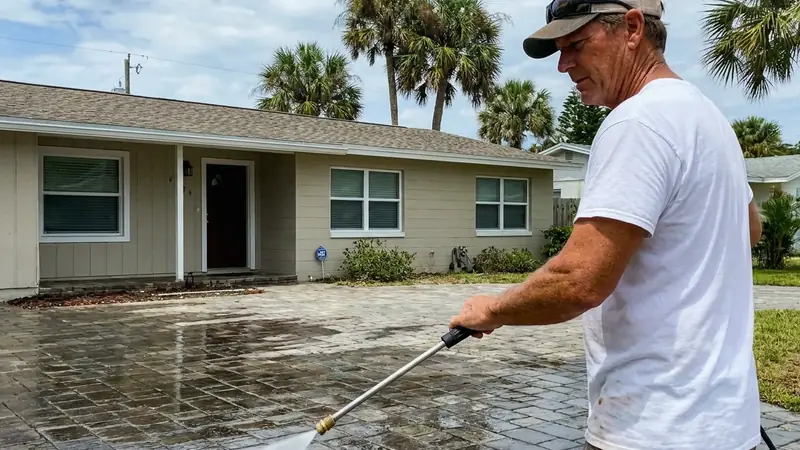
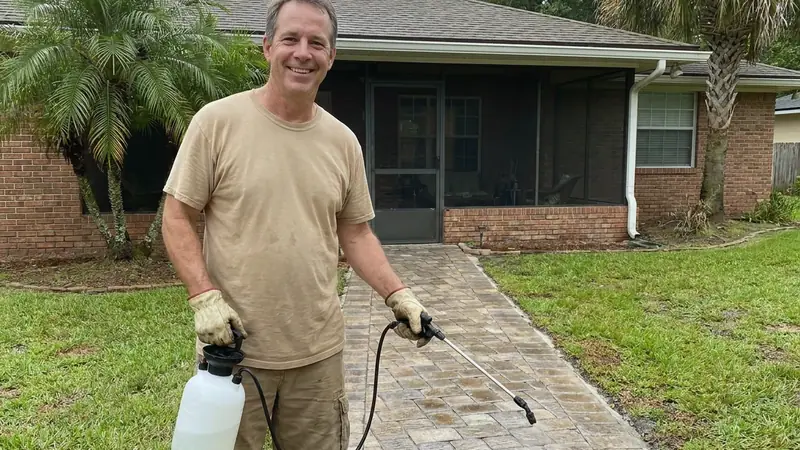
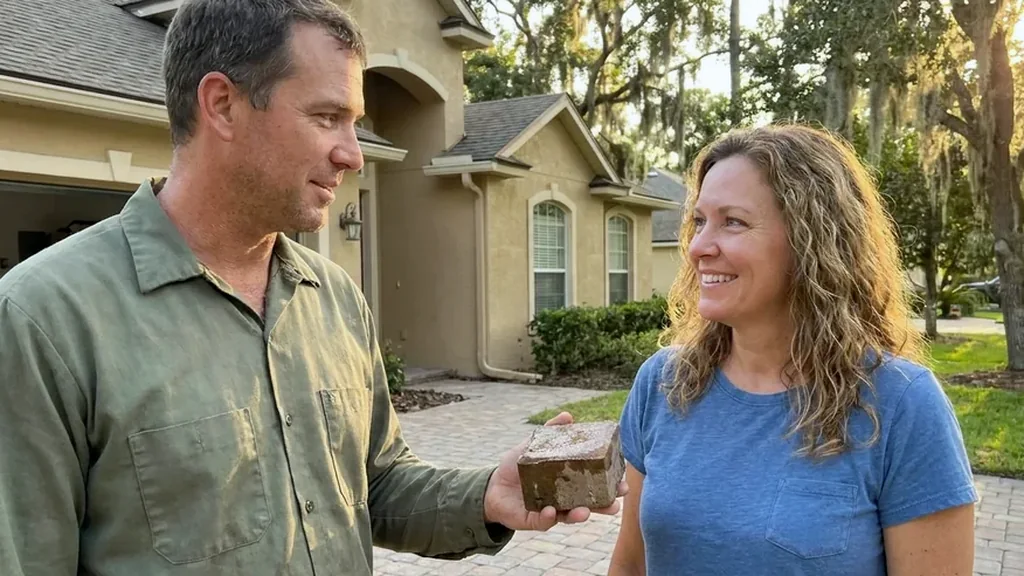
What do sealed pavers look like around Cheval?
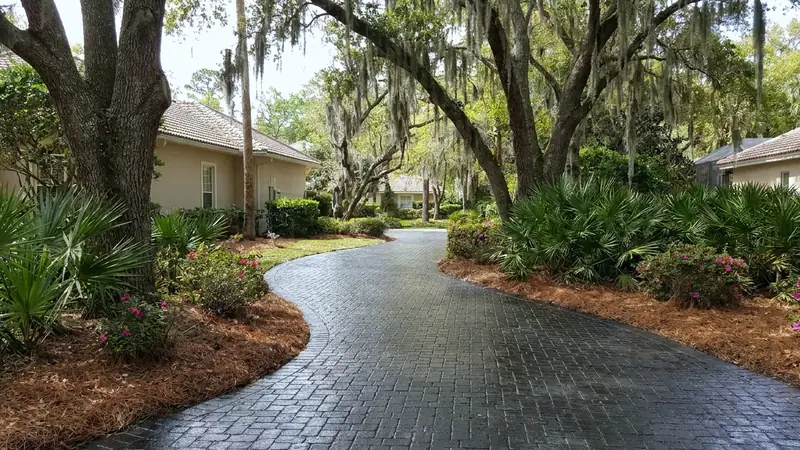
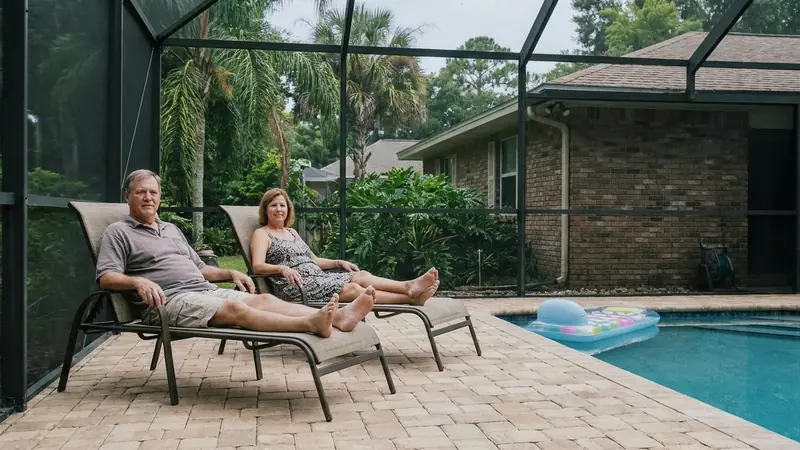
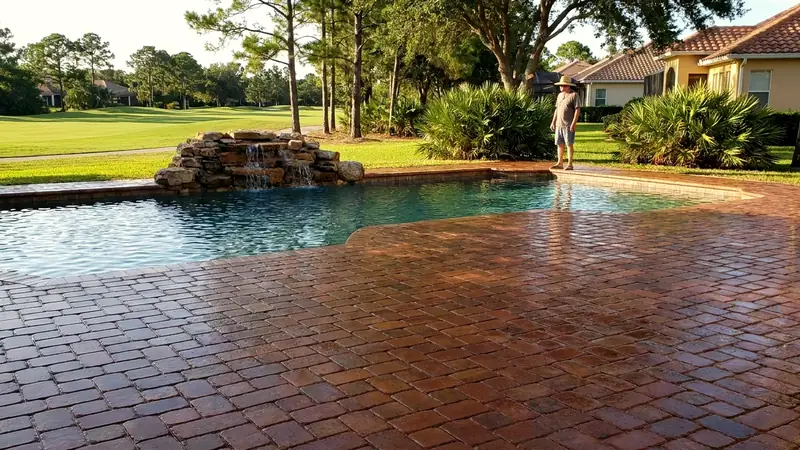
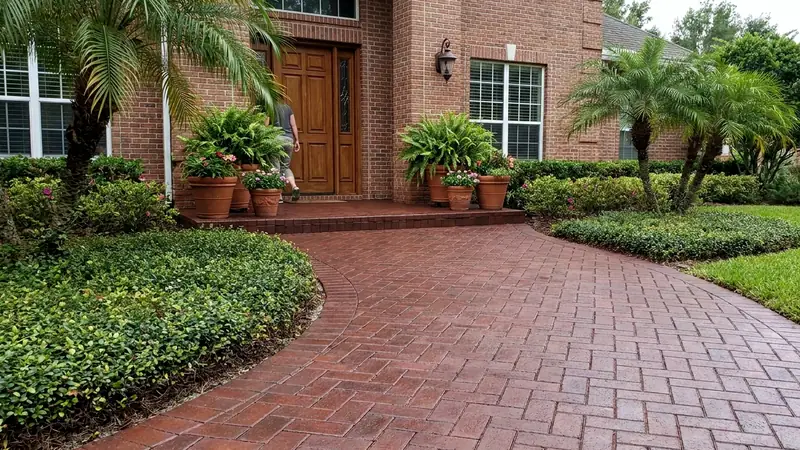
Why local matters in Cheval
A contractor who works around Cheval knows gates are staffed and that guests and vendors need to be expected. They will ask which side you live on, because East and West have separate associations. That saves a trip back later, and it keeps any review paperwork moving. If you want a contractor who already works Cheval, call (656) 254-5623.
Local experience also shows up in the details. Pond-side villages get humid air, and fairway lots get open sun, so the same sealer does not wear the same on both. A contractor who has seen both can set your expectations. Send your village name and a photo of the worst spot when you get a free estimate.
Cheval sits next to Lutz, Northdale and Keystone, and the Suncoast Parkway runs along its western edge. A contractor already working nearby can fit your visit into a regular route, and may know the gate routine already. That helps with a quick reply and a clean schedule. Ask about route timing when you call (656) 254-5623.
What is Cheval, and why does it matter for pavers?
Cheval is a guard-gated golf community inside the Lutz area, built from 1989 through the early 2000s. The private Club at Cheval anchors the east side, and TPC Tampa Bay, which opened in 1991, runs through the west side. That age tells you the original pavers have had two decades of Florida sun. If yours look tired or stained, get a free estimate.
The community sits at the Pasco County line, close to Northdale and Keystone, with Dale Mabry Highway on one edge and the Suncoast Parkway on the other. Its 2020 population was 12,522, and about 37 percent of households had children at home. Busy driveways and pool decks wear faster than quiet side walks, so call (656) 254-5623 and ask about a refresh before the joints open further. Estate lots run along Cheval Boulevard, and villas and townhomes sit among the villages.
Frequently Asked Questions
How often should I seal pavers in Cheval?
Most Tampa Bay pavers need a new coat every 3 to 5 years, according to one local company, with driveways often sooner. Quotes from companies cover two to five years, so a sunny Cheval drive leans short. A Cheval drive on a sunny fairway lot is a good candidate for the short end. Shaded lanais often last longer.
What do professionals use to seal pavers in Cheval?
Pros pick between water-based and solvent-based products, finished matte or wet look. Many spray the sealer on and then back-roll it to even out puddles. Whatever goes on has to match what is already down. Ask the contractor to write the product name on your quote.
What is the average cost to seal pavers in Cheval?
The range Tampa Bay companies commonly publish is $1.25 to $2.50 per square foot for washing, sanding and sealing. Smaller jobs can hit a minimum charge, which one company sets between $500 and $1,000. Ask for the total square footage in the quote, so you can compare bids on the same footing.
Which sealer is right for pavers in Florida?
That comes down to the look you want and the coat already on your pavers. Matte looks natural and hides scuffs better, while wet look shows color but marks sooner. Water-based sealer cannot go over solvent-based, so the old coat narrows the choice. The contractor can test a small area first.
Do I need association approval to seal my Cheval pavers?
Possibly, because exterior changes in Cheval go through architectural review, and East and West have separate associations. Sealer can change the look of a driveway even when clear. Check your association rules, or ask the review board, before you choose a finish. Written approval avoids a surprise letter later.
Can a contractor get through the Cheval gates?
Yes, as long as you set it up with the gate. Entrances are staffed and sit off North Dale Mabry Highway and Lutz-Lake Fern Road. Give the contractor your village and street, and let the gate know who is coming and when. Plan a few minutes at the gate on the visit day.
Why do pavers turn green near Cheval ponds?
Damp shade is the cause. Moss and algae grow on pavers mostly where shade is heavy and the surface stays wet, and ponds add humid air. Cleaning removes the growth, and sealing helps keep the surface from soaking up moisture. Shade trimming, where your rules allow it, also helps.
How long do I stay off Cheval pavers after sealing?
Foot traffic is usually fine after about a day, and cars wait two to three days, according to one Tampa Bay company. Rain or shade can stretch that. Ask the contractor for a time that fits the sealer, then keep pets and bikes off until it passes.
Nearby areas we serve
Ready for a Free Estimate in Cheval?
Call (656) 254-5623 and tell us about your pavers.
Free, no obligation