
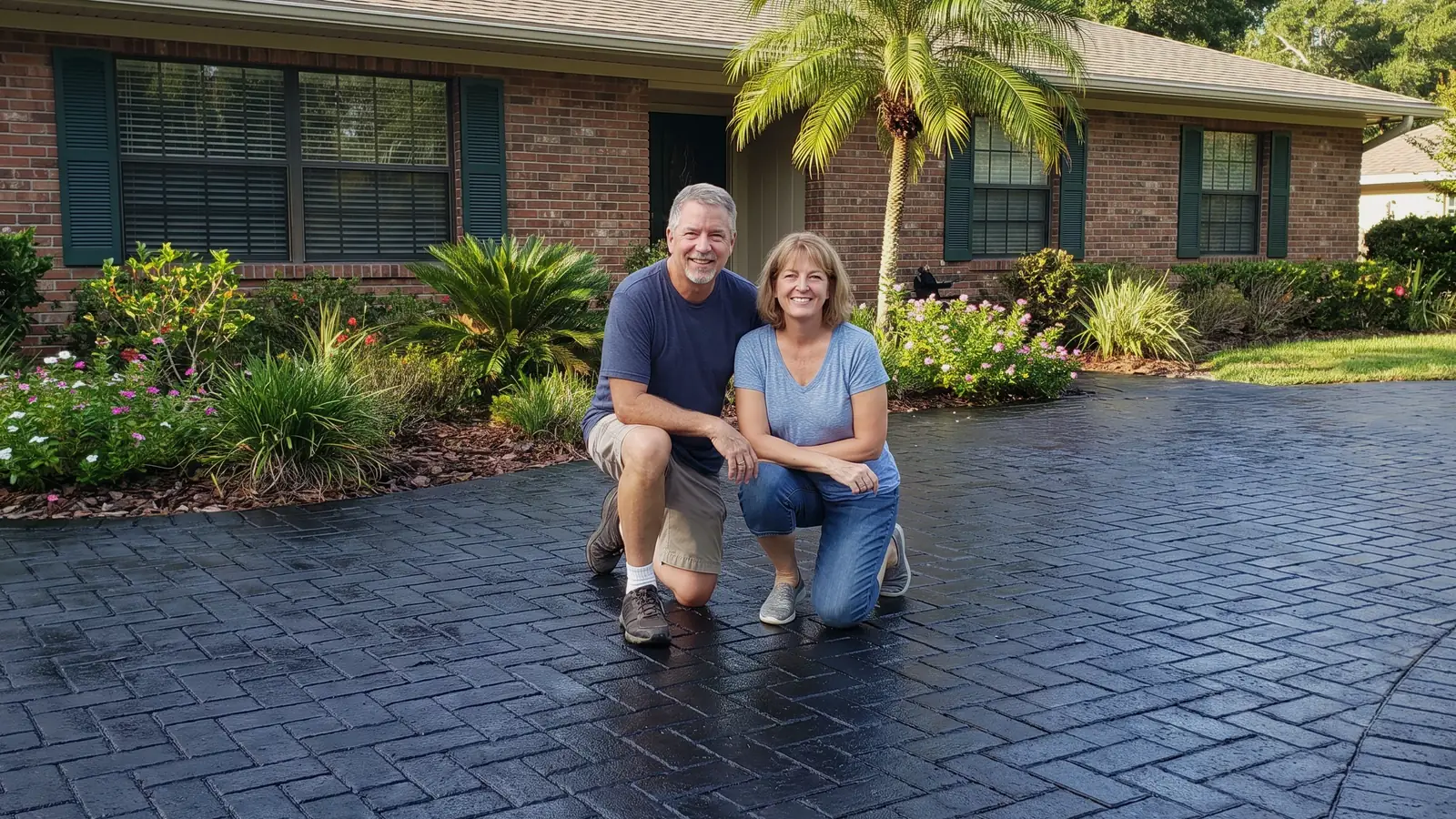
Paver sealing for Hudson homes
Paver Sealing in Hudson, FL
From canal-side Hudson Beach to inland streets, pavers take Gulf air, so call (656) 254-5623 for a free sealing estimate.
- Brings out deeper paver color
- Fresh joint sand helps lock pavers in place
- Gives weeds less room to grow
- Makes the surface easier to keep clean
- Free estimate, no obligation
Request a Free Estimate
Free, no obligation.
Fast, careful paver sealing in Hudson
Paver sealing in Hudson starts with a free estimate from a local contractor who cleans, re-sands and seals pool decks, driveways, lanais and walks. A request gets an answer within 1 business day, usually much sooner. Call (656) 254-5623 to describe your surfaces and your street.
Gulf air is hard on a paver patio, and Hudson gets plenty of it. Salt, damp and shade leave green film and a chalky look on pavers that were bright when laid. A wash, fresh sand and a new coat bring the color back and give water something to bead on, so the surface sheds rain instead of soaking it up. You can get a free estimate to start, with no obligation.
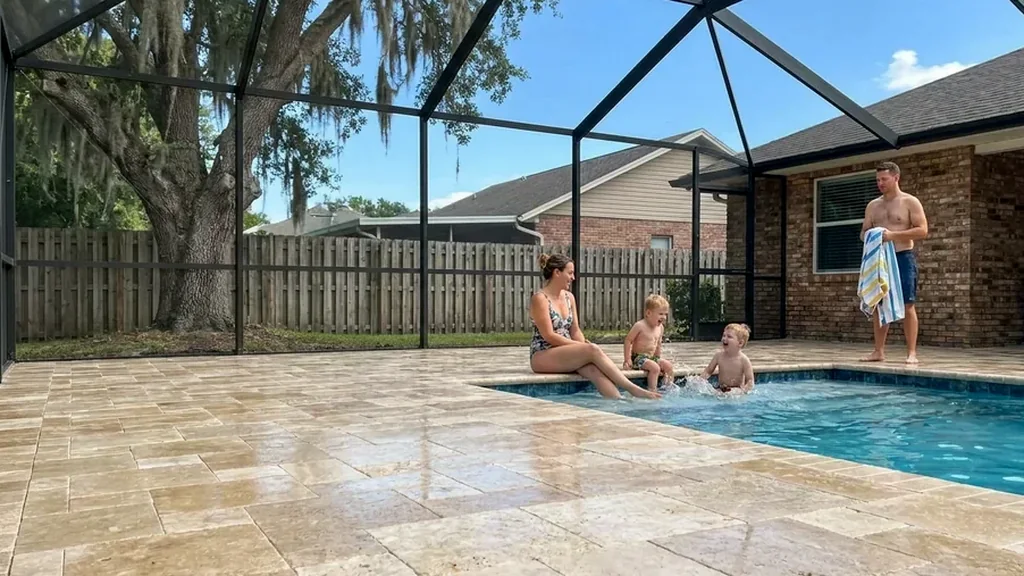
Why hire a local paver sealing contractor in Hudson?
Hudson sits right on the Gulf, with canals, salt air and a long history of waterfront building in stages, so pavers here face more than inland yards do. A local contractor who knows that can plan around it, so get a free estimate.
A free visit first
The contractor looks at your Hudson pavers, talks through the options and quotes a price. The visit costs nothing, and you owe nothing afterward.
Check any bid
A regional price guide lists $1.25 to $2.50 per square foot for the whole job, wash and sand included.
A coat suited to salt air
Companies say Gulf exposure can shorten the time between coats. Ask the contractor how that applies to your lot and how soon to plan the next one. A simple check is to see whether water still beads on the surface.
Your decision, your timing
You choose the finish, the surfaces and the day. The estimate is only information until you say yes.
Get Your Free Estimate in Hudson
Tell us about your pavers in Hudson.
Free, no obligation
What paver problems show up most in Hudson?
Salt air and wind-driven moisture
A Tampa Bay paver company says homes directly on the Gulf face heavier salt air and wind-driven moisture, which typically shortens the time between coats compared with inland homes. Hudson's elevation is near sea level, right beside the Gulf of Mexico. Lots on the Hudson Beach side may feel it most, while inland lots farther from the water feel it less. Ask how soon to plan the next coat. A shorter gap between coats is normal near salt water, and it is easier to keep up than to restore a worn surface. Hudson Beach has more than 25 miles of inland waterways, so many back patios sit right at the water. Wind off the water carries salt and moisture onto them.
Canal-side humidity and green growth
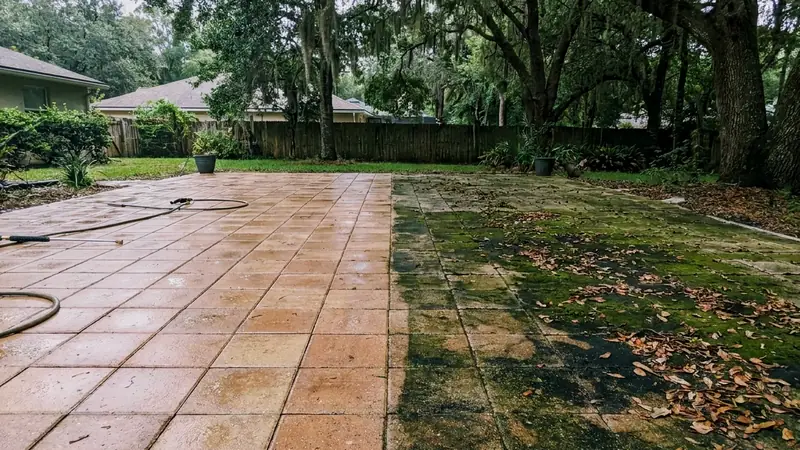
Canals crisscross Hudson Beach, and many homes have water in the backyard. Wet air and shade feed algae and mildew on pavers. A Tampa Bay company says pool decks, shaded patios and poorly drained areas are the most exposed. Cleaning has to come before sealer, or the growth stays locked under the coat. On a back patio that faces the canal, the north side of the pavers usually greens first. Hudson's average summer temperature is 80.7 degrees F, which keeps algae growing for most of the year. A shaded patio can go green within weeks.
Pool decks and salt water
Many waterfront homes have a pool or a spa deck, and one company says saltwater pools can shorten sealer life around a deck. Splash, chemicals and bare feet add wear, and standing water can leave marks. White, chalky marks can show up on pavers near the pool. Tell the contractor which kind of pool you have so the plan fits. A coat that holds up well beside a chlorine pool may wear faster beside salt water. A pool deck beside a canal also catches leaf litter and bird droppings. Those stains need cleaning before sealer goes down.
Low, flat ground near the water
Hudson sits at sea level next to the Gulf, in a county where the western edge is flat with tidal flats on the coast. Water has little slope to run off, so low corners hold it after storms. Heavy rain moves joint sand out of the seams, and nearly two-thirds of the area's yearly rain falls from June through September. Pavers loosen, weeds root and edges settle, which keeps algae fed. Fresh sand after each wash is the simple fix. Older Hudson homes can also have pavers that were laid, lifted and re-laid. Uneven spots from that work should be fixed before sealing.
Pavers from different decades
Hudson's building came in stages, from older homes to canal-side houses built from the 1950s through the 1980s. A driveway may have pavers from one era and a patio from another. Water-based sealer will not go over solvent-based, and a mismatch can peel. The contractor tests each surface to see what is already there. A mismatch between old and new coats is a common cause of peeling. Most of the larger homes built along the canals in the 1980s were mobile homes, according to local history, so surfaces vary even on one street.
Is paver sealing different in Hudson Beach than in the rest of Hudson?
Hudson Beach and inland Hudson are two different worlds for a paver. West of US 19, canals wind behind homes from Sea Pines down to Signal Cove, and Gulf wind carries salt and damp onto patios. Names like Driftwood Isles, Cape Cay and Sunset Estates tell the contractor roughly how close you sit to the water. Mention yours when you get a free estimate.
Port of Hudson has its own story. A builder named Hendry dug inlets near Hudson Springs in 1950 and piled the fill into higher ground for houses, and bigger homes followed along the canals in the 1980s. Each era used different paver products and sealers, so one street can hold three kinds of surface. Call (656) 254-5623 and say when your house went up.
East of the old waterfront, newer developments spread inland, away from the canals. Salt matters less there, while shade, sprinklers and flat ground matter more. A contractor can sort out which problems your street has and tell you if a lighter job will do. Give your cross streets and your distance from the water when you get a free estimate.
What does paver sealing cost in Hudson?
Hudson prices follow the regional pattern, which one Tampa Bay company lists at $1.25 to $2.50 a square foot for the full wash, sand and seal. In Hudson, the final number reflects how much algae is on the pavers, how much sand has washed out, and what old sealer is there. A pool deck plus a drive can bring the rate down, since the setup and travel are shared. To get a price on yours, get a free estimate.
Single walks and small patios often meet a minimum charge, which one company sets at $500 to $1,000. Waterfront access adds time when equipment goes around the house to a back deck. Rust, weeds in the seams and salt crust each add a step. Call (656) 254-5623 to hear which of those would shape your price.
| Paved area | Typical example | Clean, sand and seal |
|---|---|---|
| 300 sq ft | Small patio or walkway | $375 to $750 |
| 600 sq ft | Two car driveway | $750 to $1,500 |
| 1,000 sq ft | Large driveway or pool deck | $1,250 to $2,500 |
| 1,500 sq ft | Driveway plus pool deck | $1,875 to $3,750 |
Math based on the $1.25 to $2.50 per square foot that Tampa Bay paver companies publish. Your contractor sets the actual price after seeing the surface. Repairs, leveling and stripping failed sealer are usually extra.
How does a paver sealing job work in Hudson?
Inspect the lot and the old sealer
The contractor looks over each surface, including the drive, the pool deck, the lanai and any dock-side walk, and measures the square footage for the quote. They note where salt air, shade or canal water touches the pavers. A small test spot tells the contractor which sealer family is already on the pavers. A written price comes before any agreement.
Rinse away salt film, algae and rust
Cleaning sets the quality of the finish. Salt film, algae, mildew and rust fans are lifted so sealer can bond. Wash water is steered off the lawn, and the contractor keeps rinse water out of plant beds and away from the canal edge, with care near seawalls and boat lifts. Clean pavers take the coat evenly.
Refill the seams
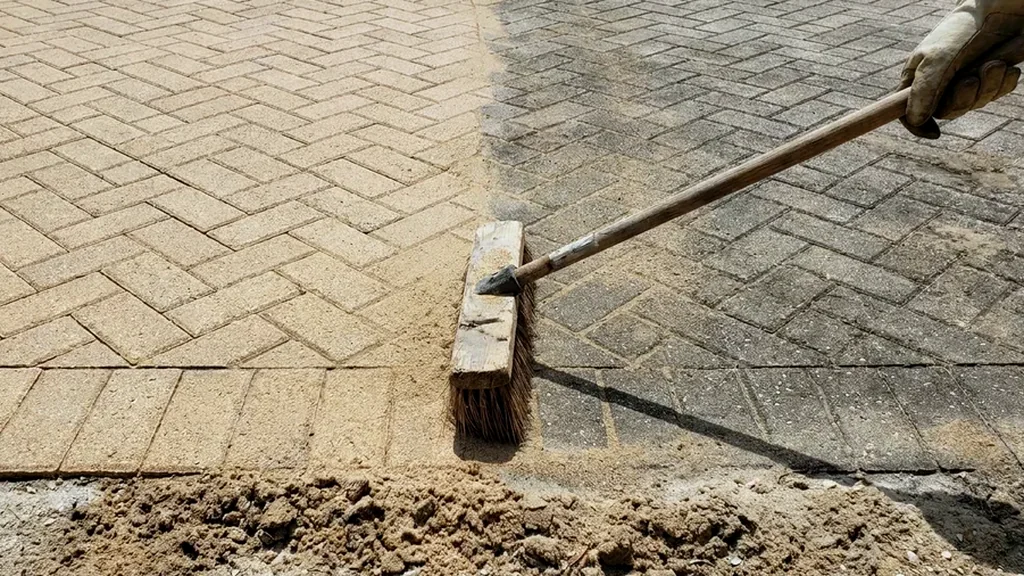
After the wash, new sand goes in and is swept level. On flat, sandy Pasco ground, open joints let weeds in and edges slump. Filled seams hold the pavers firm, discourage weeds and ants, and help the sealer hold. If the sand has been missing for years, this stage takes longer than the wash.
Wait out the damp
Moisture under a coat can cause haze, peeling or blotches, a Tampa Bay company says, and Gulf humidity can keep pavers damp longer than you would expect. A careful contractor waits until the surface and joints are dry. Rushing a damp job is how cloudy results happen.
Seal and let it set
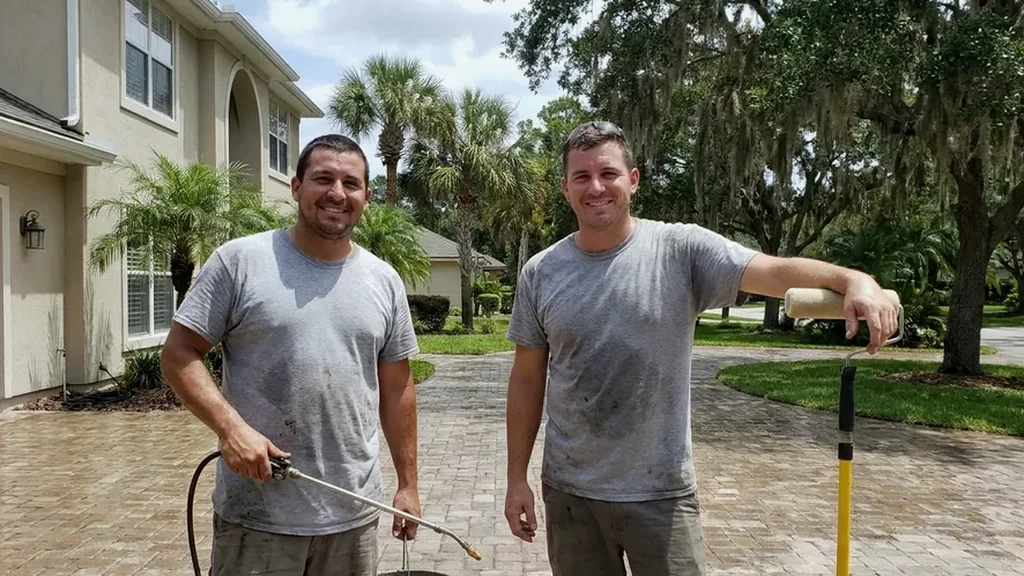
Your finish goes on by sprayer, then a roller smooths puddles, with hand work at edges, steps and drains. Walking is usually fine after about a day and cars need two to three, one company says. Salt air and humidity can stretch those times. Switch the sprinklers off for that day.
Complete paver services in Hudson
Hudson jobs go wash, re-sand, dry, seal. The wash takes off salt film, green growth and rust. New sand goes in once the pavers dry, and sealer goes on last. Call (656) 254-5623 to ask how many days your lot would take and what the contractor would do first.
Near the Gulf, pool decks, lanais, drives and back-dock walks all wear differently. A pool deck takes splash and chemicals, a lanai stays damp and shaded, and a drive takes tires and full sun, so each gets its own plan. Tell the contractor which surfaces you have when you get a free estimate, and ask for a combined price that shows each one.
Sealer splits into water-based and solvent-based, matte and wet look. Water-based gives a matte look and hardens joint sand. Solvent-based looks glossy and shuts out a water-based coat later. Call (656) 254-5623 to talk through which finish suits your home and your view.
Weather rules the schedule. The wet season brings afternoon storms, so mornings work best. The dry months are easier to schedule, and mornings stay cooler for the crew. When you are ready for a date, get a free estimate and ask about the next dry window in the forecast.
Questions to ask before you hire
- Is a sealed pool deck slippery when wet, and what do you add to help with that?
- Will you write the sealer name and the number of coats on the quote?
- Will you check the joints for sand that has washed out and refill them before sealing?
- How do you wash the pavers without blasting the joint sand out?
- Can you lift the oil spots off the garage apron before the sealer goes down?
- How do you keep sealer off my screen cage, the pool water and the grass edge?
- Will you send a certificate of insurance before the day of the job?
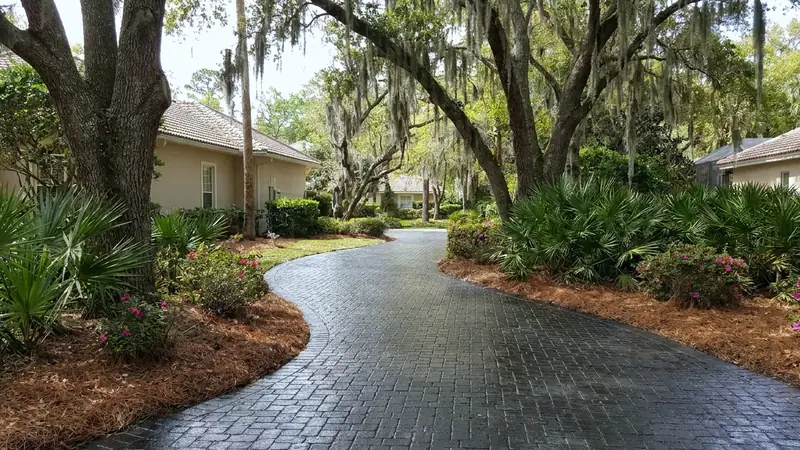
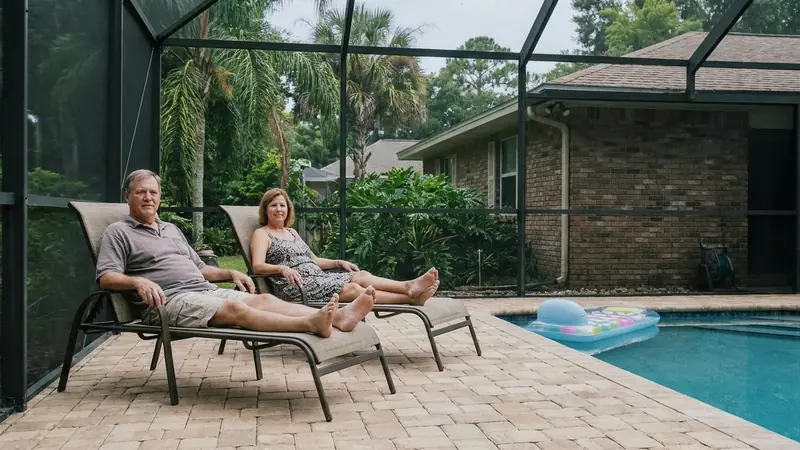
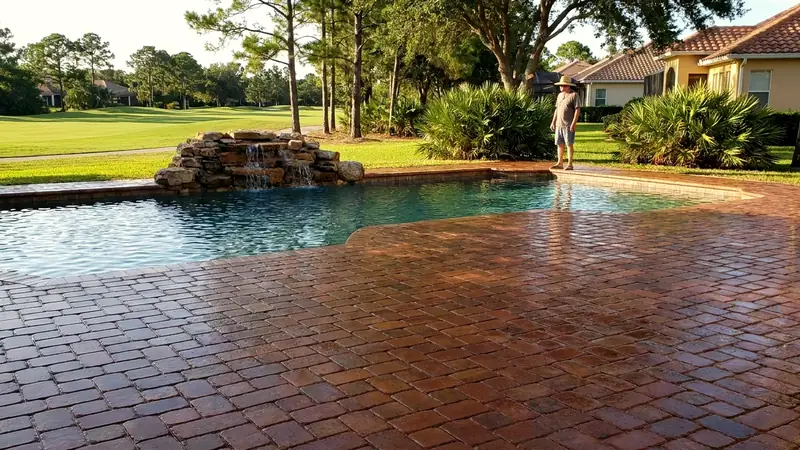
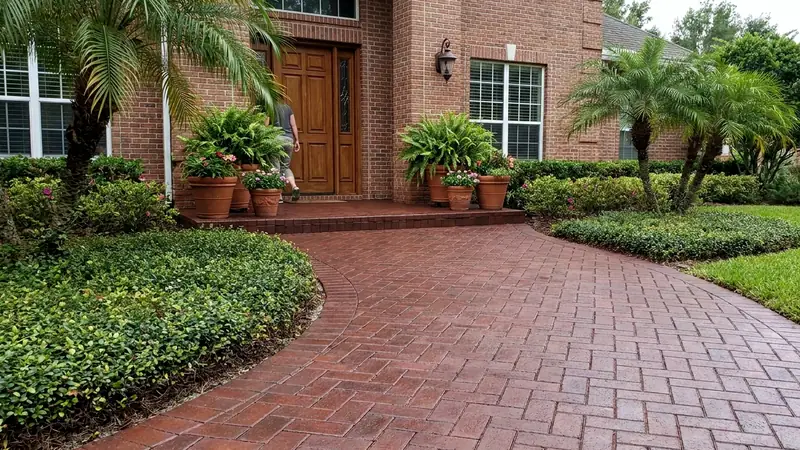
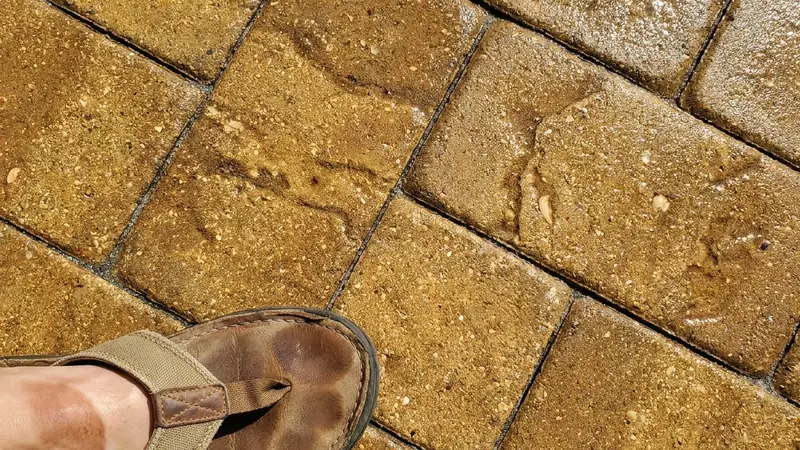
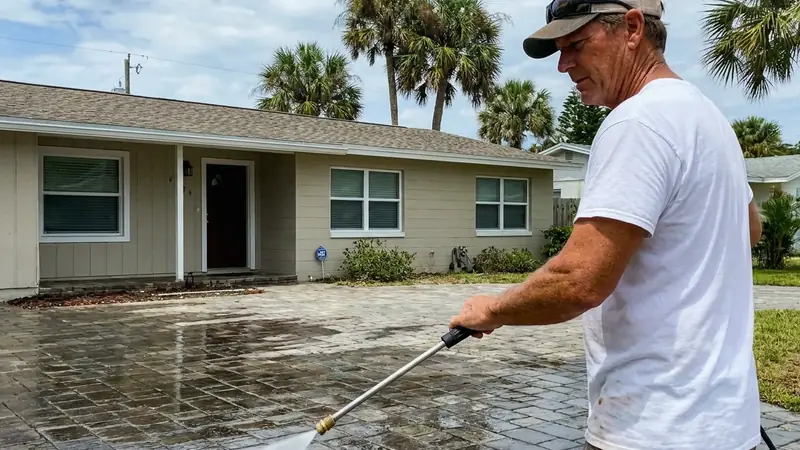
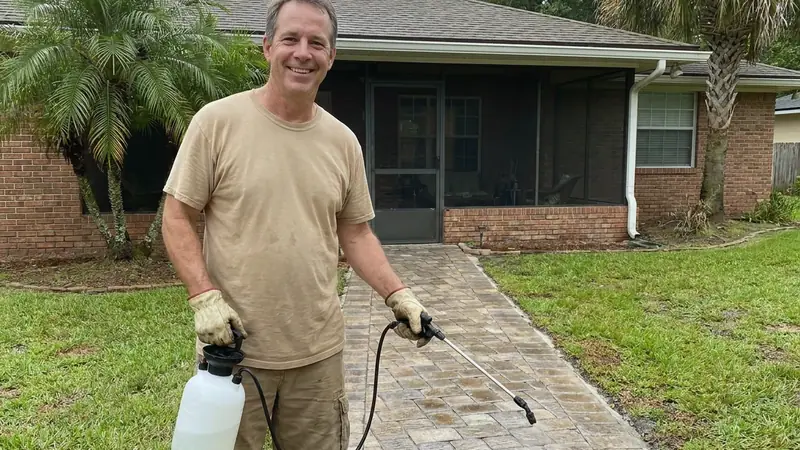
What do sealed pavers look like around Hudson?
Why local matters in Hudson
Anyone who works Hudson learns fast that the water changes everything. Gulf-side lots take salt, one company says, and canal humidity feeds algae, so wash plans and finish choices shift. A local contractor sets honest expectations about how long a coat will last. For a crew that works west Pasco, call (656) 254-5623.
Older properties need a slower look. Hudson began as a fishing and lumber town and filled in by stages, so a patio from one decade can sit beside a drive from another. A contractor who has seen the mix tests each surface and tells you what it needs. Share your home's age and any past sealing when you get a free estimate.
Hudson is the westernmost community in Pasco County, and Bayonet Point Hospital has served the area since 1981. Crews that run this stretch of US 19 every week know the cross streets and the traffic. That makes it easier to fit you in and to give a real date. Ask about timing when you call (656) 254-5623.
How did Hudson grow from a fishing town to a canal community?
Isaac Hudson brought his family to the coast in 1878, and a post office opened in his home. The town grew when the Fivay Company cut lumber and shipped it by rail to Tampa. After the company closed in 1912, shrimping and fishing employed about half the working men through the 1950s. If you live in an older part of town or on a canal street, get a free estimate for a free look at your pavers.
In 1950, a builder named Hendry dug inlets near Hudson Springs and built up land for homes, creating the Port of Hudson. The Army Corps of Engineers blasted the Hudson Beach canals in the late 1950s and 1960s, leaving more than 25 miles of waterways. Hudson had 12,944 residents at the 2020 census, with a median age of 59.7. Call (656) 254-5623 to book a visit for your pavers.
Frequently Asked Questions
How soon should Hudson pavers get a second coat?
One Tampa Bay company says most pavers need a new coat every 3 to 5 years, and quotes elsewhere run two to five years between coats. One company says Gulf exposure typically shortens the time between coats. Ask the contractor how that applies to your lot.
What is the average cost to seal pavers in Hudson?
Prices listed by Tampa Bay companies sit between $1.25 and $2.50 per square foot, covering the wash, new sand and sealer. A one-patio job may meet a minimum charge, which one company sets at $500 to $1,000. Ask for a price that lists the total footage so you can compare bids fairly. Combining the drive, deck and lanai usually lowers the rate per foot.
Which sealer is right for pavers in Florida?
The answer turns on your preferred look and whatever sealer is already down. Matte looks natural and hides scuffs, while wet look shows color but marks sooner. Because water-based sealer cannot go over solvent-based, the old coat limits what you can pick. A small test patch can show how each finish looks before you commit.
Does salt air affect pavers in Hudson?
It can. One Tampa Bay company says homes directly on the Gulf face heavier salt air and wind-driven moisture, which typically shortens the resealing interval. Ask the contractor if your lot is close enough to count. Rinsing salt film off now and then helps a coat last longer.
Do saltwater pools change how I seal a Hudson pool deck?
They can. One company says saltwater pools can shorten sealer life around a deck. The contractor may suggest a closer check on the coat. Mention which kind of pool you have when you ask for an estimate. A deck that stays wet most of the day also needs extra drying time before sealing.
Why do pavers turn green near Hudson canals?
Damp, humid air and shade are the cause. Algae and moss take hold where shade is thick and the paver surface stays wet. Cleaning removes the growth, and sealing helps the surface shed water. Trimming back shade, where you can, helps the pavers dry out between rains.
What does sealing pavers in Hudson not fix?
Gulf exposure can shorten the span between coats, so renewal comes around sooner than inland. Pick matte if scuffs worry you, since a wet look shows them sooner. The pavers also have to be dry, so humid weather can delay a job. Sealer preserves a dip, so any sunken pavers get fixed ahead of time.
Why do pavers turn chalky near a Hudson pool?
White, chalky film is often efflorescence, which appears naturally on products that contain cement. One Tampa Bay company says saltwater pools can speed it up. A cleaning treats it before sealing, and sealer helps keep new film from showing as quickly.
Do canal-side homes in Hudson Beach need different paver care?
They can. Hudson Beach has more than 25 miles of inland waterways, and many homes have a canal in the back yard. A Tampa Bay paver company says homes right on the Gulf see heavier salt air and wind-driven moisture, which shortens the reseal interval. Pavers beside a canal may call for a closer look at the coat. A free estimate request brings a contractor to the canal side.
Which Hudson Beach neighborhoods can ask for a sealing estimate?
The Hudson Beach neighborhoods run north to south from Sea Pines, Driftwood Isles and Cape Cay through Sunset Estates, Waterway Shores, Port Hudson and Hudson Beach Estates to Sea Ranch and Signal Cove. Any of them can send a request. Send your street and the surface in question, and a reply comes from a contractor in 1 business day, often sooner. Send a free estimate request with your Hudson Beach street.
Does the low, flat ground in Hudson affect how pavers drain?
It can. Hudson sits at sea level, the western part of Pasco County is flat, and groundwater comes within two feet of the surface under about 61 percent of the county. Water that has nowhere to go sits on a patio and works at the joints. Unilock says sealing is not a cure for drainage or base problems, so standing water gets looked at first. Ask for a free estimate and mention any pooling after rain.
Is winter a better time to seal pavers in Hudson?
Often it is. Average temperatures here run from about 60 degrees in winter to about 81 in summer, and the Tampa Bay area has a mild, dry season from November through April. Sealer needs dry pavers and dry joints, so drier months leave more good mornings. A contractor still checks the forecast before booking a day. A free estimate request is the way to pick a dry-season date.
Nearby areas we serve
Ready for a Free Estimate in Hudson?
Call (656) 254-5623 and tell us about your pavers.
Free, no obligation